


-

Add: HeBei ShengShi HongBang Cellulose Technology CO.,LTD.
-

Email
13180486930@163.com -

CONTACT US
+86 13180486930




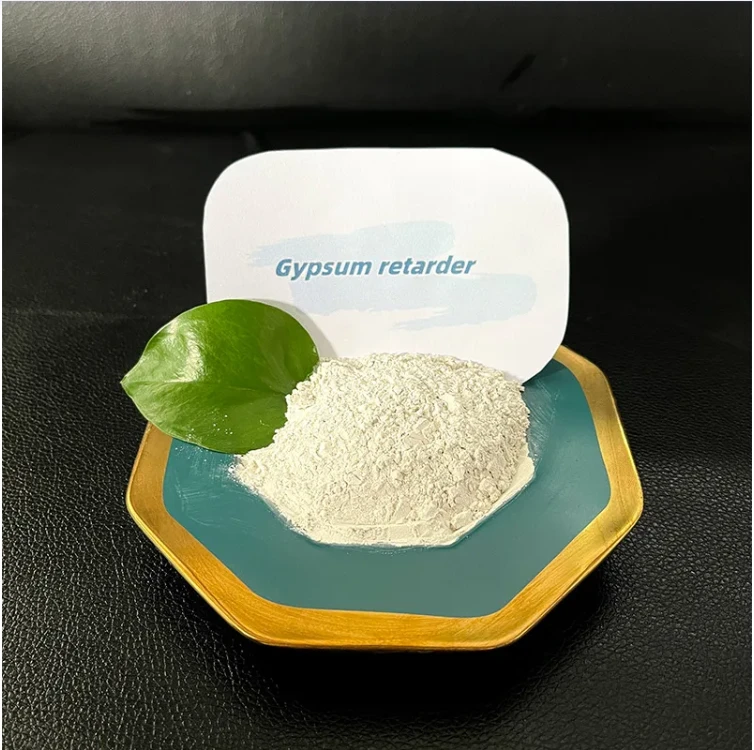
In the construction industry, particularly in plastering, retarder in gypsum plays a crucial role in enhancing the workability and performance of gypsum-based products. A gypsum retarder is an additive that slows down the setting time of gypsum, allowing workers to apply the material more easily and with more flexibility. This becomes particularly useful in large-scale applications, where time management and smooth application are essential for achieving high-quality finishes. The addition of a gypsum retarder not only prevents premature setting but also enhances the material’s usability, making it easier for workers to mix, spread, and smooth out the plaster on walls and ceilings. This is especially beneficial in high-traffic projects or in situations where multiple layers of plaster need to be applied. The retarder in gypsum ensures that the plaster doesn't set too quickly, which could result in uneven surfaces or unfinished work. One of the key advantages of using a gypsum retarder is that it gives professionals the extra time they need to adjust and perfect their work. It allows for consistent results even under tight deadlines or in difficult conditions, which is crucial in construction and renovation projects where precision is key. The Importance of Easy Mix Plaster Retarder for Efficient Workflows An easy mix plaster retarder is an essential tool for any professional working with plaster or gypsum. This type of retarder is specifically designed to simplify the mixing process, enabling workers to achieve the ideal consistency without the stress of rushed drying times. With an easy mix plaster retarder , workers can focus on getting the plaster to the right consistency before it starts setting, resulting in a smoother and more durable finish. What makes an easy mix plaster retarder particularly beneficial is its ability to maintain the material’s workability for extended periods, even in hot weather, which can otherwise cause plaster to set too quickly. By introducing a retarder into the mix, it is possible to maintain optimal plaster consistency and extend working time, ensuring no material is wasted and the application remains flawless. Moreover, the easy mix plaster retarder helps achieve more uniform plaster layers, ensuring consistent thickness and adhesion across the surface. This is particularly important when working on larger surfaces or projects that require more attention to detail, like ornate ceilings or walls with intricate designs. How a Gypsum Retarder Enhances Performance in Plastering Using a gypsum retarder is not just about slowing down the setting time of plaster—it also improves the overall performance of the material in plastering applications. Gypsum, when mixed without a retarder, can harden too quickly, leaving workers with limited time to achieve a smooth and even application. A gypsum retarder allows workers more time to manipulate the material, leading to more precise and even results. In addition to improving the ease of application, a gypsum retarder can also enhance the final appearance of the plaster. It helps to reduce the likelihood of cracking or shrinking during the curing process, which can be caused by the rapid setting of gypsum. By using a gypsum retarder , the material stays workable for longer periods, ensuring a smooth finish that is free of imperfections. This extended working time also gives workers the flexibility to apply multiple coats of plaster without the risk of the first layer setting prematurely. This is especially important in projects that require thicker layers of plaster, such as when leveling uneven walls or creating decorative features. The Advantages of Using Retarders in Gypsum-Based Materials The application of retarder in gypsum offers multiple benefits to both construction professionals and the quality of the final product. The most immediate advantage is the extended working time it provides, which enables workers to achieve a more consistent and high-quality finish. Without a retarder, gypsum can set too quickly, leading to poor application, uneven surfaces, and wasted material. Another advantage of gypsum retarders is that they improve the overall strength and durability of the plaster. When gypsum sets too quickly, it can result in cracks and an uneven texture, which diminishes the overall strength of the wall or surface. By using a gypsum retarder , the material sets gradually, allowing it to form a stronger bond and reducing the likelihood of cracks or weak points in the plaster. Additionally, gypsum retarders can be especially useful in larger projects or those requiring complex designs. The extra working time ensures that workers can complete large areas of plastering without the pressure of fast-setting materials, which is crucial for ensuring consistency and a high-quality finish across the entire surface. What is the Best Time to Use a Retarder in Gypsum? Using a retarder in gypsum is an effective way to extend the working time of plaster and improve the overall quality of the finish. However, it is important to know when and how to use a gypsum retarder for optimal results. For example, it is particularly useful when working in warm environments, as high temperatures can cause gypsum to set too quickly. In these conditions, adding a gypsum retarder will give workers more time to smooth and perfect the plaster without the fear of premature setting. Another scenario where a gypsum retarder is beneficial is when working on intricate plaster designs. These require more time for careful application and finishing, and a retarder can prevent the plaster from hardening before the design is complete. This is crucial for decorative plastering, where precision and smoothness are key. gypsum retarder FAQs What is a gypsum retarder used for? A gypsum retarder is an additive used to slow down the setting time of gypsum-based products. It allows workers to apply and work with the plaster over an extended period, ensuring a smooth and even finish without the material setting too quickly. How does a gypsum retarder affect the drying time? A gypsum retarder extends the drying time of gypsum by delaying the chemical reaction that causes it to set. This gives workers more time to manipulate the material, apply it properly, and achieve a better final result without the pressure of rapid setting. Can a gypsum retarder be used in all types of plastering projects? Yes, a gypsum retarder can be used in most plastering projects where extended working time is needed, such as large-scale applications, intricate designs, or when working in high-temperature environments. It ensures that the plaster remains workable and manageable for longer periods. What is the difference between a gypsum retarder and an easy mix plaster retarder? While both types of retarders slow down the setting time, an easy mix plaster retarder is specifically formulated to simplify the mixing process, making it easier to achieve the right consistency. On the other hand, a gypsum retarder is designed to work specifically with gypsum-based products, improving their overall workability and performance. Are there any downsides to using a gypsum retarder? While gypsum retarders offer many benefits, overuse can lead to a weaker final product or extended curing times. It is important to follow manufacturer guidelines and use the retarder as needed to avoid any potential negative effects on the material’s final strength.
- 40000tons

Production
- 20+years

Experience
- 5000+㎡

Acreage

-
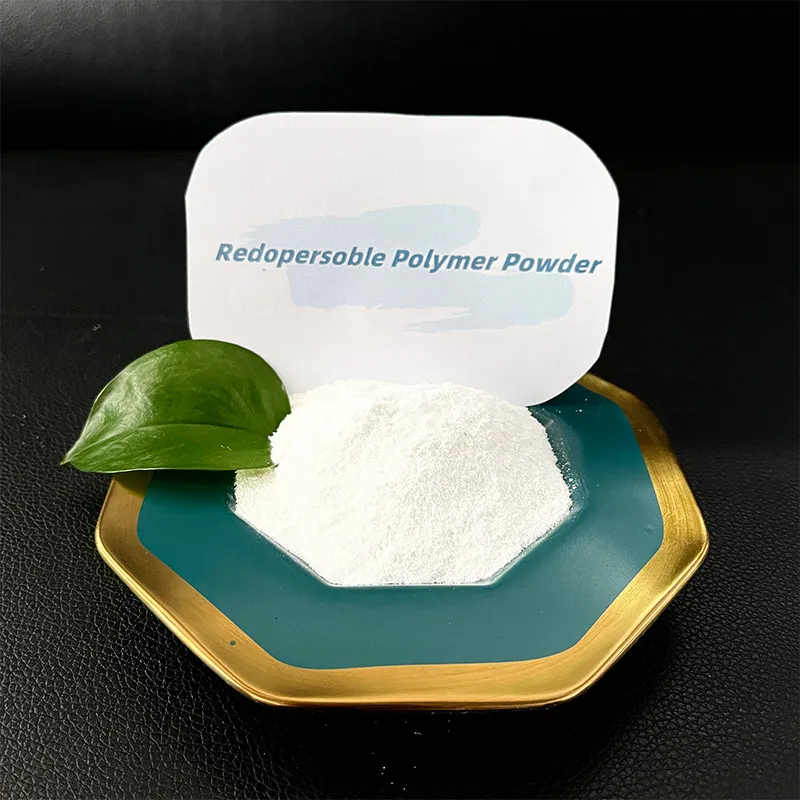
In the modern construction industry, the performance of building materials is critical to ensuring durability and reliability. One such material that has gained significant attention is redispersible polymer powder . This powdered additive is a versatile ingredient used in various construction applications, from adhesives to plaster and mortar. Redispersible polymer powder is created by drying a polymer emulsion into a fine powder, which can then be mixed with water to form a stable dispersion again, enabling superior bonding and flexibility. The key advantage of redispersible polymer powder is its ability to improve the mechanical properties of construction materials. When added to mortar, cement, or adhesives, it enhances their adhesion, workability, and flexibility, leading to longer-lasting and more durable results. Whether you are working on indoor wall plaster, exterior coatings, or tile adhesives, redispersible polymer powder is a vital ingredient that enhances the overall performance of construction materials. This article will explore the benefits of redispersible polymer powder , the role of vinyl acetate ethylene copolymer powder , polylactic acid powder , and redispersible latex powder , and how these products contribute to the success of modern building materials. The Advantages of Vinyl Acetate Ethylene Copolymer Powder in Construction Vinyl acetate ethylene copolymer powder is a powerful material that plays a crucial role in the performance of construction products. This polymer is created by combining vinyl acetate with ethylene, which results in a powder that offers superior adhesion, flexibility, and water resistance. Vinyl acetate ethylene copolymer powder is particularly valuable in the production of tile adhesives, cement-based mortars, and exterior coatings. One of the primary advantages of using vinyl acetate ethylene copolymer powder in construction applications is its ability to improve the workability of materials. It enhances the spreadability of adhesives and coatings, making them easier to apply without compromising their strength. Additionally, vinyl acetate ethylene copolymer powder helps increase the bond strength of adhesives, ensuring a long-lasting hold even in challenging environmental conditions. Another benefit is its excellent water resistance. This makes vinyl acetate ethylene copolymer powder a preferred choice for applications that require materials to withstand moisture, such as in wet areas or exterior surfaces. Its ability to improve the flexibility and crack resistance of construction materials also ensures that products remain durable and stable over time, even in areas with temperature fluctuations. Polylactic Acid Powder: A Sustainable Solution for Construction and Packaging Polylactic acid powder , or PLA powder, is a biodegradable polymer that is rapidly gaining traction in various industries, including construction and packaging. Derived from renewable resources such as cornstarch or sugarcane, polylactic acid powder offers an eco-friendly alternative to traditional plastic materials. In construction, polylactic acid powder is being used as a binder in composite materials, insulation, and other applications that require lightweight yet durable properties. One of the key benefits of polylactic acid powder is its environmental friendliness. As a renewable and biodegradable material, polylactic acid powder significantly reduces the carbon footprint of construction products. This is especially important as the construction industry moves towards more sustainable practices and looks for ways to reduce its impact on the environment. In addition to its eco-friendly properties, polylactic acid powder offers impressive mechanical strength and versatility. It can be used in combination with other materials like cellulose, minerals, and polymers to create high-performance building materials that are both strong and lightweight. Polylactic acid powder is also an excellent material for 3D printing applications, enabling the creation of complex and custom designs for building components and decorative elements. As demand for sustainable construction practices increases, polylactic acid powder is likely to play an even larger role in the industry. Redispersible Latex Powder: Improving Adhesion and Durability Redispersible latex powder is a key ingredient used in the production of a wide range of construction materials. Similar to redispersible polymer powder , redispersible latex powder is a dry powder that, when mixed with water, forms a latex dispersion that significantly improves the properties of building materials. Redispersible latex powder is often used in cement-based products such as mortar, plaster, and adhesives, where it provides superior adhesion, flexibility, and water resistance. The use of redispersible latex powder is particularly beneficial in applications where increased bond strength is required. It helps improve the adhesive properties of tile adhesives, wall plasters, and other cementitious materials, ensuring that they adhere strongly to substrates without compromising the material's flexibility. This flexibility is crucial in preventing cracks from forming as the building material expands and contracts due to temperature fluctuations. Combining Polymer Powders for Optimal Performance in Construction The combination of various polymer powders, such as redispersible polymer powder , vinyl acetate ethylene copolymer powder , polylactic acid powder , and redispersible latex powder , provides a comprehensive solution for improving the performance of construction materials. Each of these polymer powders has unique properties that, when combined, can offer optimal results in terms of adhesion, flexibility, durability, and sustainability. Similarly, adding redispersible latex powder to a cement-based product can enhance water resistance, ensuring that the material remains stable even in wet environments. By understanding the unique properties of each polymer powder and combining them strategically, manufacturers can create high-performance construction products that meet the needs of modern building standards. R edispersible polymer powder , along with other polymer-based products like vinyl acetate ethylene copolymer powder , polylactic acid powder , and redispersible latex powder , plays a vital role in enhancing the performance and sustainability of construction materials. These additives improve the workability, flexibility, adhesion, and water resistance of cement-based products, making them ideal for a wide range of applications, from tiles and adhesives to plasters and coatings. As the construction industry continues to evolve and prioritize sustainability, the use of these polymer powders will only become more important. Whether you're looking to improve the durability of your building materials, create more eco-friendly products, or enhance the performance of your construction projects, incorporating redispersible polymer powder and other polymer-based additives is a smart investment that will lead to superior results.
-
The detergent industry is experiencing a subtle yet significant revolution, and at the forefront of this transformation is Hydroxypropyl Methylcellulose, commonly known as HPMC. As a seasoned expert in the field of SEO, I've closely observed how incorporating HPMC can not only enhance the quality of detergents but also position a brand as a leader in innovation and environmental friendliness. The addition of HPMC in detergents brings a unique set of benefits that appeal to both manufacturers and consumers. For manufacturers, it offers an innovative solution that improves the viscosity and stability of detergents. HPMC serves as an excellent thickening agent, providing a consistent texture that consumers have come to expect from premium detergent brands . This consistency is crucial in maintaining the effectiveness of the detergent, ensuring that every drop delivers maximum cleaning power. Moreover, HPMC is derived from cellulose, making it a naturally occurring substance that aligns with the growing consumer demand for eco-friendly products. As an expert in sustainability, I recognize the importance of adopting green chemistry in manufacturing processes. HPMC in detergents reduces the reliance on synthetic chemicals, offering an environmentally benign alternative without compromising on quality. This not only enhances a brand's reputation for environmental responsibility but can also open doors to new markets eager for sustainable household products. From an expertise perspective, the role of HPMC extends beyond just physical attributes. It also improves the shelf life of detergents by stabilizing the formulation, preventing ingredients from separating over time. This results in less waste and more satisfied consumers, as the product maintains its integrity from purchase to last use. The stabilizing property of HPMC ensures that active ingredients remain effective throughout the product's life, a critical aspect that sets high-quality detergents apart from their less stable counterparts. hpmc for detergent In terms of authoritativeness, extensive research supports the efficacy of HPMC in detergent formulations. Numerous studies have demonstrated its superiority as a thickening and stabilizing agent, often outperforming traditional counterparts. This research-backed validity enhances credibility and supports claims made by brands utilizing HPMC, fostering consumer trust. For products seeking regulatory approval or certifications, the proven track record of HPMC in detergents stands as a testament to its safety and effectiveness. Trustworthiness is the cornerstone of any brand's relationship with its customers. By leveraging HPMC, manufacturers can transparently showcase their commitment to quality and sustainability. HPMC is hypoallergenic and safe for human contact, making it particularly appealing for families with skin sensitivities. The endorsement of dermatological experts and eco-certification bodies can further reinforce the trust consumers place in detergents containing HPMC. Ultimately, for brands focusing on SEO, it's crucial to highlight these multifaceted benefits of HPMC in detergent-related content. Emphasizing its role in enhancing viscosity, environmental sustainability, product stability, and consumer health can significantly improve online visibility and engagement. Crafting content around real-world applications and consumer reviews can provide genuine insights and drive home the advantages of HPMC in modern detergents, securing a pivotal role in a brand's digital narrative. Incorporating HPMC into detergent formulations presents a dual opportunity advancing product quality while meeting the rising demand for eco-conscious and effective cleaning solutions. As the industry continues to evolve, HPMC remains at the forefront, not just as an additive, but as a catalyst for a cleaner, greener future.
advantages
-

200000 Viscosities
Excellent product
We can produce pure products up to 200,000 viscosities
-

40000 tons
High yield
We don’t stop production all year round, and the annual output can reach 40,000 tons
-

24 hours
Quality service
We provide 24-hours online reception service, welcome to consult at any time
———— Inquiry Form
Schedule A services


-
 hydroxypropyl_methyl_cellulose_cas
Oct . 25, 2025
Rubber powder, a groundbreaking material revolutionizing various industries, offers unparalleled ben -
 fibra_de_polipropileno
Oct . 25, 2025
Kizuia Jasi Embracing Resilience and Strength In a world fraught with challenges, the concept of Kiz -
 sodium_hydroxypropyl_starch_phosphate
Oct . 25, 2025
In the competitive realm of building materials and construction, the name HPMC easily resonates with


